

Best VPN With WebRTC Leak Protection: Browser Privacy Features Compared
Using a VPN with WebRTC Leak Protection helps prevent browsers from exposing your real IP address. Compare browser security features and protect your online identity with Surfshark through NomadsColumn today.
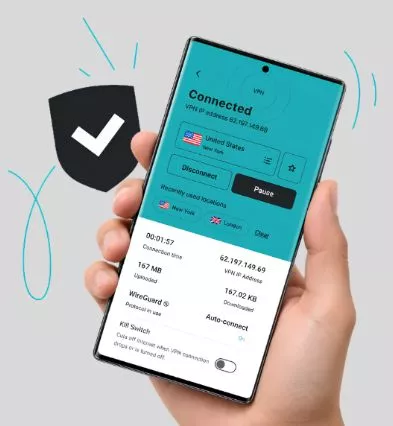
Key Advantages of Surfshark WebRTC Leak Protection and Advanced Browser Security
Advantages of Surfshark WebRTC Protection
| Secure VPN connections help prevent accidental exposure of your real IP address. |
| Unlimited device connections allow comprehensive protection across all your personal electronics. |
| Strict audited no-logs policy prevents tracking and recording your online activities. |
| Advanced CleanWeb feature blocks intrusive advertisements and malicious tracking links automatically. |
| Affordable long-term subscription plans provide reliable protection for everyday browsing activities. |
Features of Advanced Browser Security
| WebRTC leak protection VPN features strengthen browser privacy against unexpected IP leaks. |
| Secure encryption protocols protect sensitive internet traffic from external network observers. |
| Browser IP leak prevention helps maintain privacy during everyday internet browsing sessions. |
| Secure VPN tunnelling protects personal information across potentially vulnerable public Wi-Fi networks. |
| Smart kill switch stops internet traffic if your VPN connection drops unexpectedly. |
Get WebRTC Leak Protection Easily
Using a reliable VPN with WebRTC leak protection helps prevent browsers from exposing your actual IP address during online activities. Users can strengthen browser privacy while keeping internet traffic encrypted across different networks. Surfshark provides dependable security tools for safer browsing.
Set up Surfshark WebRTC Protection Fast
Downloading and setting up Surfshark to improve browser IP leak prevention takes just a few moments. First, open the official Surfshark website on your web browser and select an active subscription plan that fits your budget. Next, download and install the dedicated Surfshark app onto your preferred laptop, desktop, tablet, or smartphone. Launch the application, log in using your account credentials
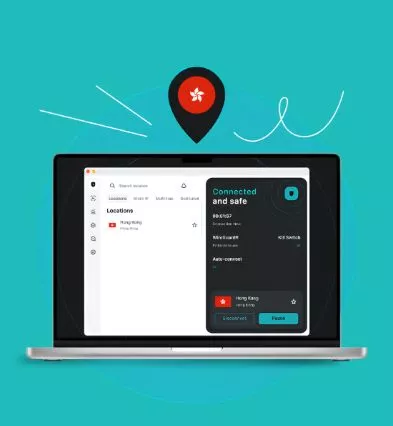
and select a nearby or preferred VPN server location. Once connected, your internet traffic travels through an encrypted VPN tunnel, helping conceal your original IP address from external observers. Open your browser settings and check available WebRTC controls to manage potential IP exposure. You can also use a WebRTC leak test to verify whether your real IP address remains visible. Enjoy safer private browsing immediately.
Why Users Need WebRTC Leak Protection VPN
Internet users frequently browse websites, attend video calls, and access online communication platforms without realizing that browser technologies can potentially expose their real IP addresses. WebRTC leak protection VPN features help reduce this privacy risk by securing internet connections and supporting better browser IP leak prevention. This is particularly useful for remote workers accessing confidential business platforms, travelers connecting through public Wi-Fi, and individuals who regularly use browser-based communication services. Additionally, encrypting internet traffic protects sensitive online activities against potential monitoring on unsecured networks. Users can maintain stronger privacy, improved digital security, and greater confidence while browsing from different locations. NomadsColumn recommends Surfshark for dependable online protection and safer everyday internet experiences.

Connecting via Surfshark WebRTC Protection

Using Surfshark alongside appropriate browser privacy settings helps create a stronger layer of protection against unexpected IP exposure. Surfshark operates encrypted VPN servers that help conceal your original IP address while protecting internet traffic from external network observers and Internet Service Providers. Its robust security tools include modern encryption protocols and a kill switch that helps prevent unprotected internet access if your VPN connection unexpectedly drops. However, VPN encryption alone does not guarantee complete WebRTC leak prevention, making browser-level configuration and independent leak testing important additional precautions. Users can review their browser privacy settings and disable or restrict WebRTC where supported. Remote professionals can combine these safeguards to improve browser security while maintaining reliable internet access. This makes Surfshark a useful choice for everyday online privacy and secure browsing.
Strengthening Browser Privacy with Surfshark
Choosing a VPN with WebRTC Leak Protection helps users build stronger online privacy across everyday browsing activities. Travelers, remote professionals, and privacy-conscious internet users can benefit from encrypted connections that conceal their original IP addresses. Surfshark supports secure browsing through modern VPN protocols, unlimited simultaneous device connections, and built-in privacy features. Paired with appropriate browser settings, these protections help reduce the possibility of accidental IP exposure during video calls, website visits, and other browser-based activities. Moreover, its CleanWeb feature blocks malicious advertisements and trackers for a smoother browsing experience. Users can protect their laptops, tablets, and smartphones under one subscription without compromising everyday browsing convenience. Stay connected securely while maintaining greater control over your digital privacy wherever you go.

Conclusion
Choosing a VPN with WebRTC Leak Protection is important for internet users who want stronger browser privacy and reduced IP exposure. Surfshark offers advanced encryption, a strict no-logs policy, and reliable security features that support safer browsing from anywhere. Protect your digital identity today by combining dependable VPN protection with appropriate browser privacy settings. Safeguard your personal information, reduce potential browser IP leaks, and enjoy greater online privacy across every device you use with NomadsColumn as your trusted resource.